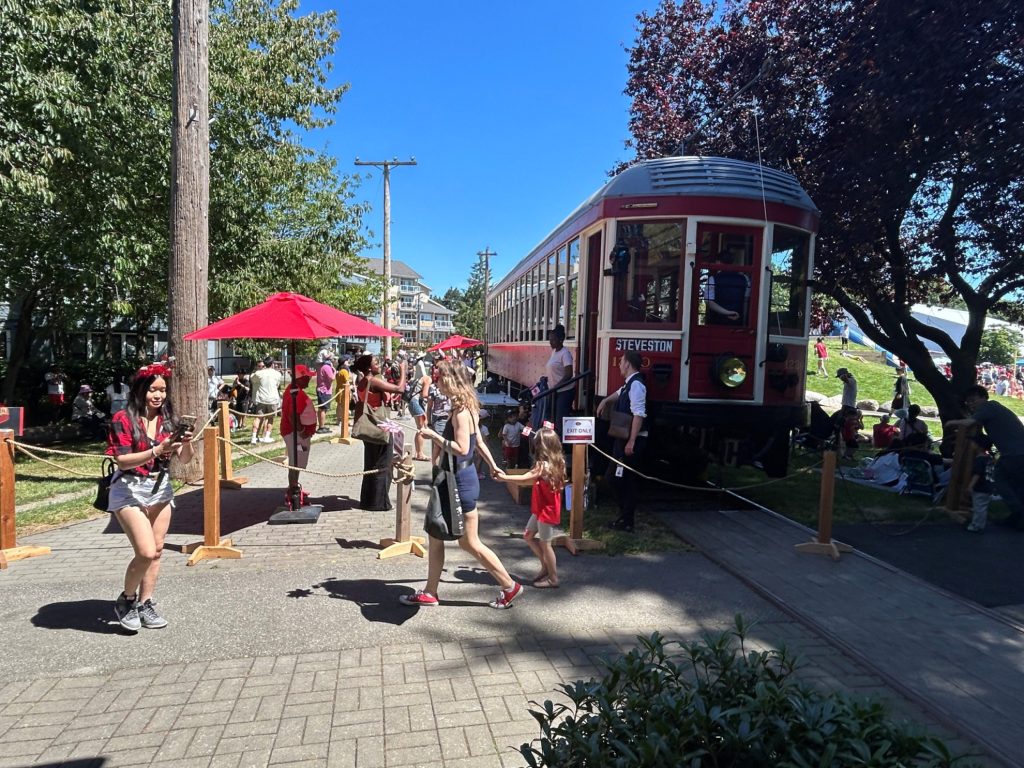
Connecting Steveston Through Time, Historic Places Day “Communication Through Place and Time”
Historic Places Days
This year from July 11 to 25, 2026, we celebrate Historic Places Days, a national event hosted by the National Trust for Canada. This year’s theme, Communication Through Place and Time, explores how people have shared ideas, stories, skills, and knowledge, reminding us how each generation finds new ways to stay connected.
The Essential Post Office
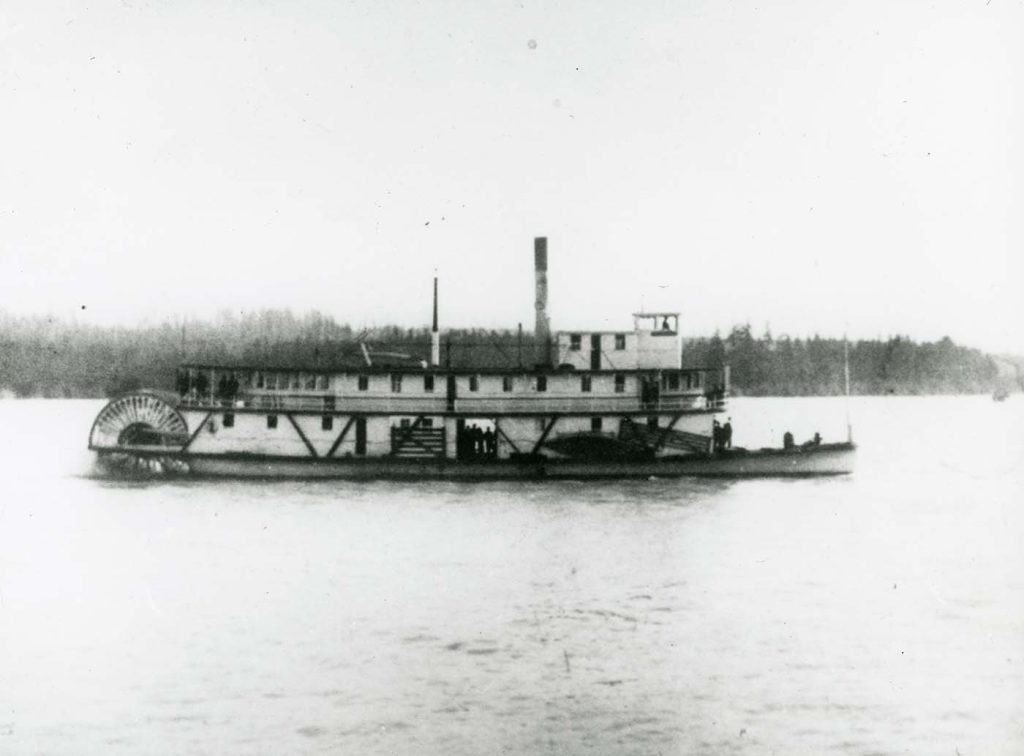
Life moved at a much slower pace before the early 1900s. Travel from Steveston to almost anywhere else was difficult and time-consuming. Steamships took more than four hours to travel from Victoria to New Westminster, stopping in Steveston along the way. A journey to Vancouver that takes less than an hour today could take four hours or more over muddy tracks and rough “corduroy” roads made from timber laid across boggy ground. An overnight stay was often necessary before making the return trip.
Communication was slower too. Most people kept in touch through letters, written with pencils or dip pens and brought to the local post office. For frontier communities like Steveston, the post office was an essential lifeline. Letters arrived from family and friends scattered across Canada and around the world, while parcels carried treasured gifts and reminders of home. These small items helped bridge distances that can be difficult for us to imagine in today’s world of instant messages and video calls.
Steamer Ships and Stagecoaches
Before the arrival of railways, getting mail to and from Steveston was a challenging task. In the community’s earliest days, mail arrived three times a week by steamship from New Westminster. Later, this increased to six days a week.
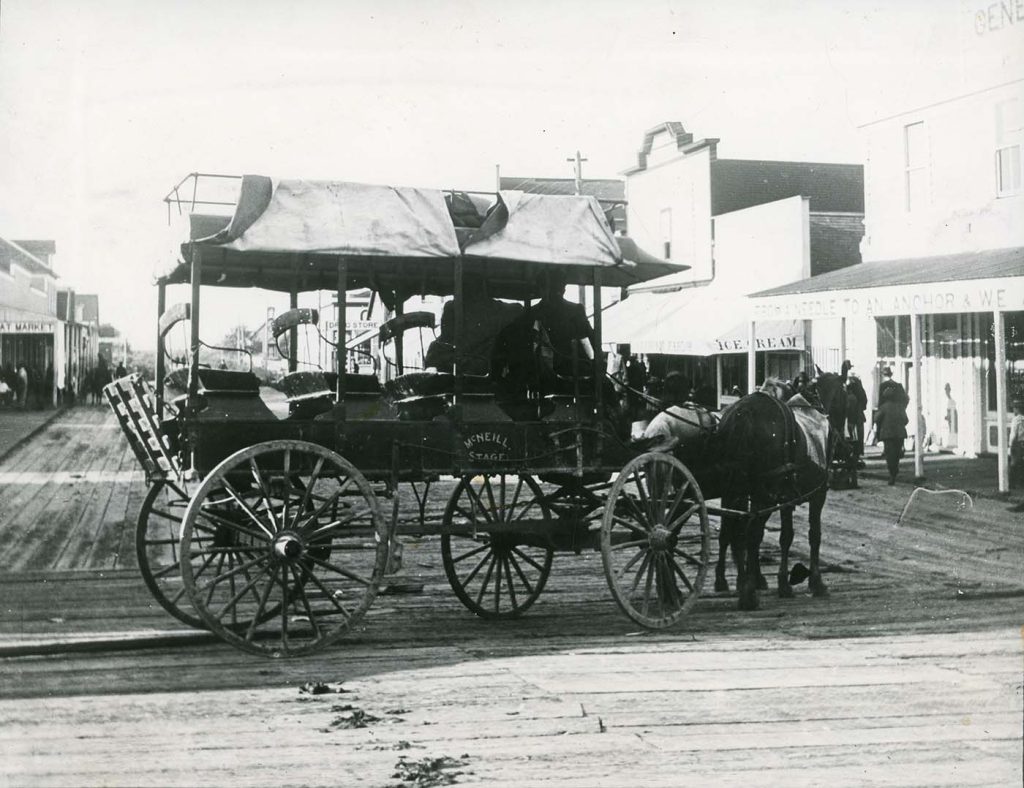
By the late 1890s, stagecoaches carried mail between Steveston and Vancouver. One of the men responsible for this service was Billy Steeves, who operated one of Steveston’s three stagecoach lines. Through rain, mud, and rough road conditions, he transported letters and parcels by horse and wagon.
His work ended tragically in 1895 when a tree, loosened during road work on Granville Street in Vancouver, fell onto his coach. His passengers and horses survived, but Billy did not. His story is a reminder of the challenges faced by those who kept communities connected in an era before modern transportation.
Rails That Connected a Community
After Billy Steeves’ death, others took over the mail contract, including McNeill’s Mail Stage around 1900. Everything changed in 1902 when the Canadian Pacific Railway opened a rail line across Lulu Island. Twice each day, steam trains carried passengers, freight, and mail to Steveston.
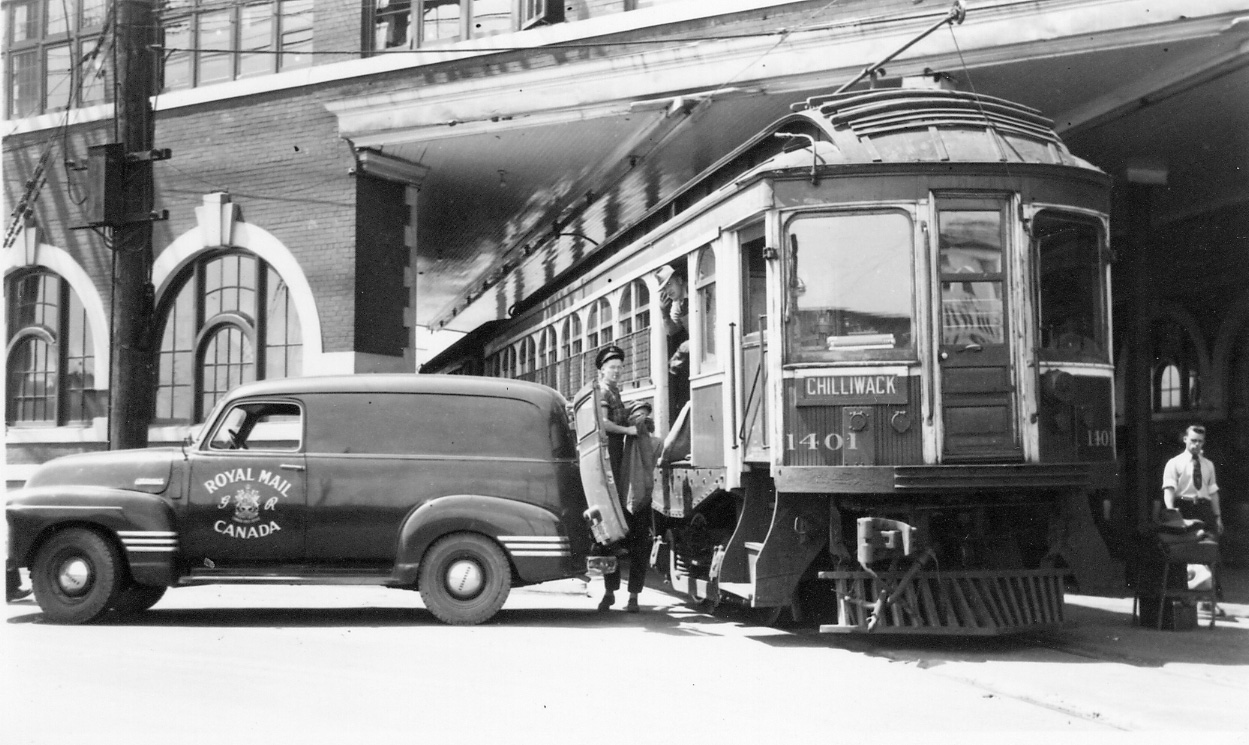
Three years later, Interurban trams brought another communications revolution. The electric trams excelled at moving people. Residents could now travel between Steveston and Vancouver throughout the day and night in less than an hour, making it easier than ever to conduct business, attend meetings, visit family and friends, and exchange news in person.
The trams also carried mail, further strengthening connections between Steveston and the outside world. Until 1945, the trams carried letters and parcels, newspapers and news, and the people who shared their stories face to face.
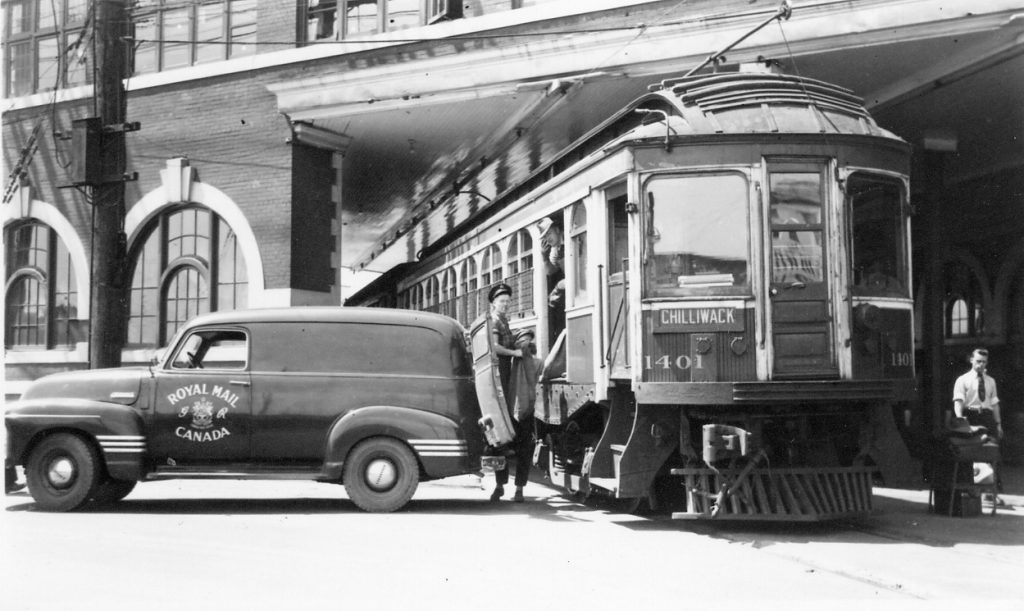
From steamships and stagecoaches to steam trains and electric trams, the ways people and messages travelled to and from Steveston changed dramatically in just a few decades. Those innovations connected the community to a world that was changing just as quickly. What do you think the future holds for us from here?