A slice of Steveston’s Japanese Canadian history
My name is Nina Houle, and I’m a Young Canada Works summer student with the Richmond Museum. I’m currently working on a masters degree in library and archive studies at UBC. This summer, I took time away from school to gain behind-the-scenes museum work experience and uncover a unique piece of local history. I’m excited to tell you about the work I’ve done on the Hashimoto collection and share the story of the people who made it!
The Hashimoto Story
Shizue Hashimoto, nee Hori, (1920-2000) was born in Steveston in a family of fishermen and cannery workers. Her husband, Masuo Hashimoto, (1908-2007) was born in Japan, moving to Vancouver in 1931 to find work. Before Japanese Canadians on the Pacific coast were forcibly uprooted from their homes in 1942, Shizue worked in a BC Packers-owned cannery in Steveston, and Masuo was a carpenter at Vancouver’s Stanley Park Shipyards.
Shizue and her family were forced to leave Steveston and relocate to Minto in BC’s interior. Masuo was interned in several road camps in the Hope area, eventually finding himself in Minto as well. He and Shizue met, fell in love, and were married at Minto in 1947.
As soon as they could return to the Pacific coast, the newlywed Hashimotos settled back in Steveston. There, Masuo found a carpentry job at Nakade Boatworks, one of many Japanese-owned shipbuilding businesses along the Steveston waterfront. In his spare time, he built a house for himself and Shizue. This construction project, which Masuo started around 1954, took over two years to complete. The couple moved in when the house was only partially done!
Hashimoto House
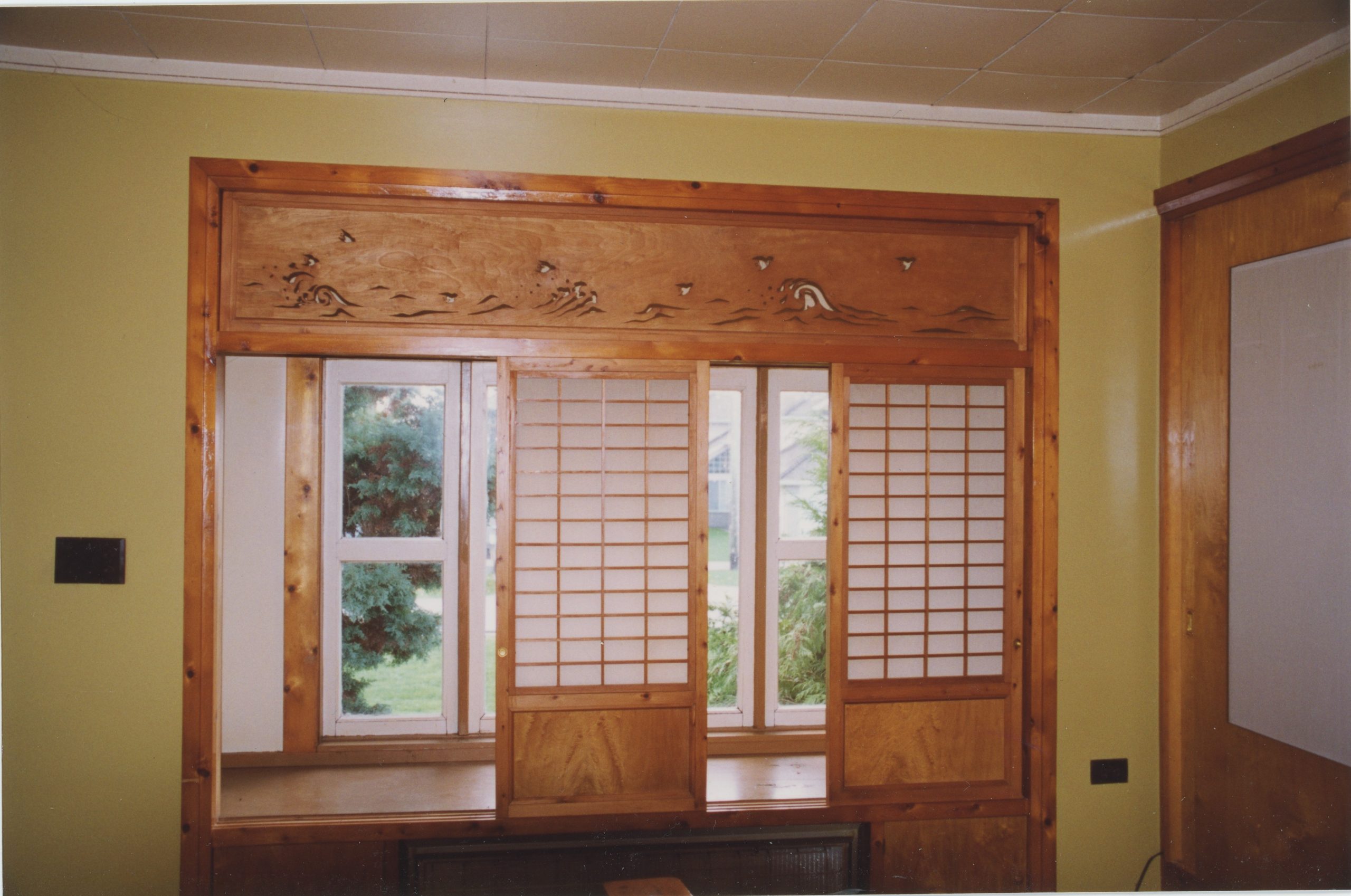
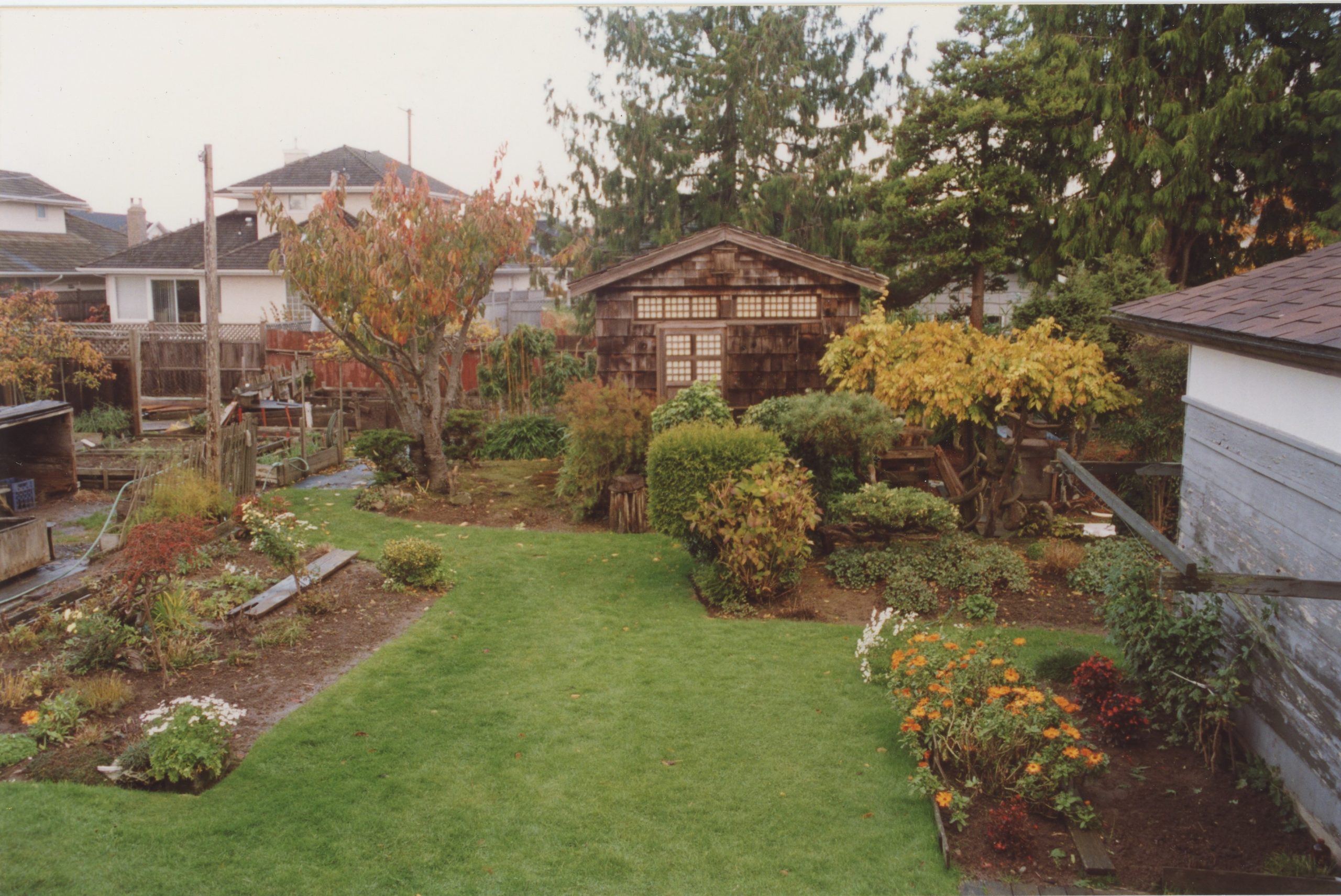
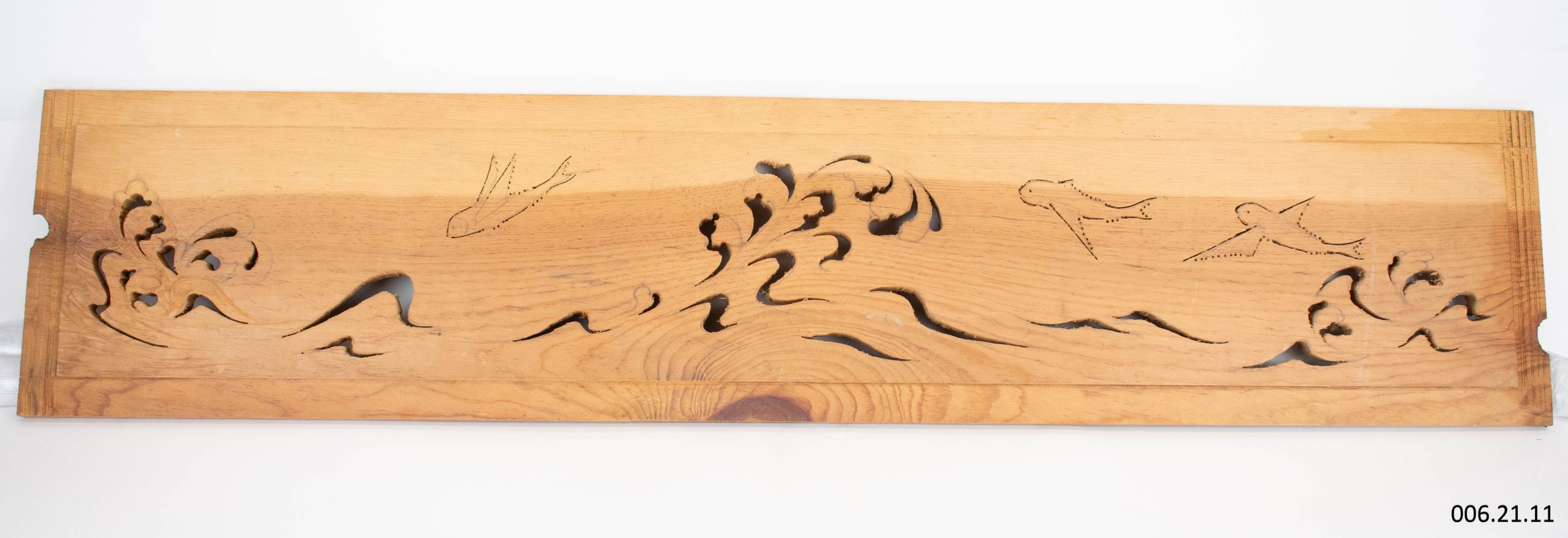
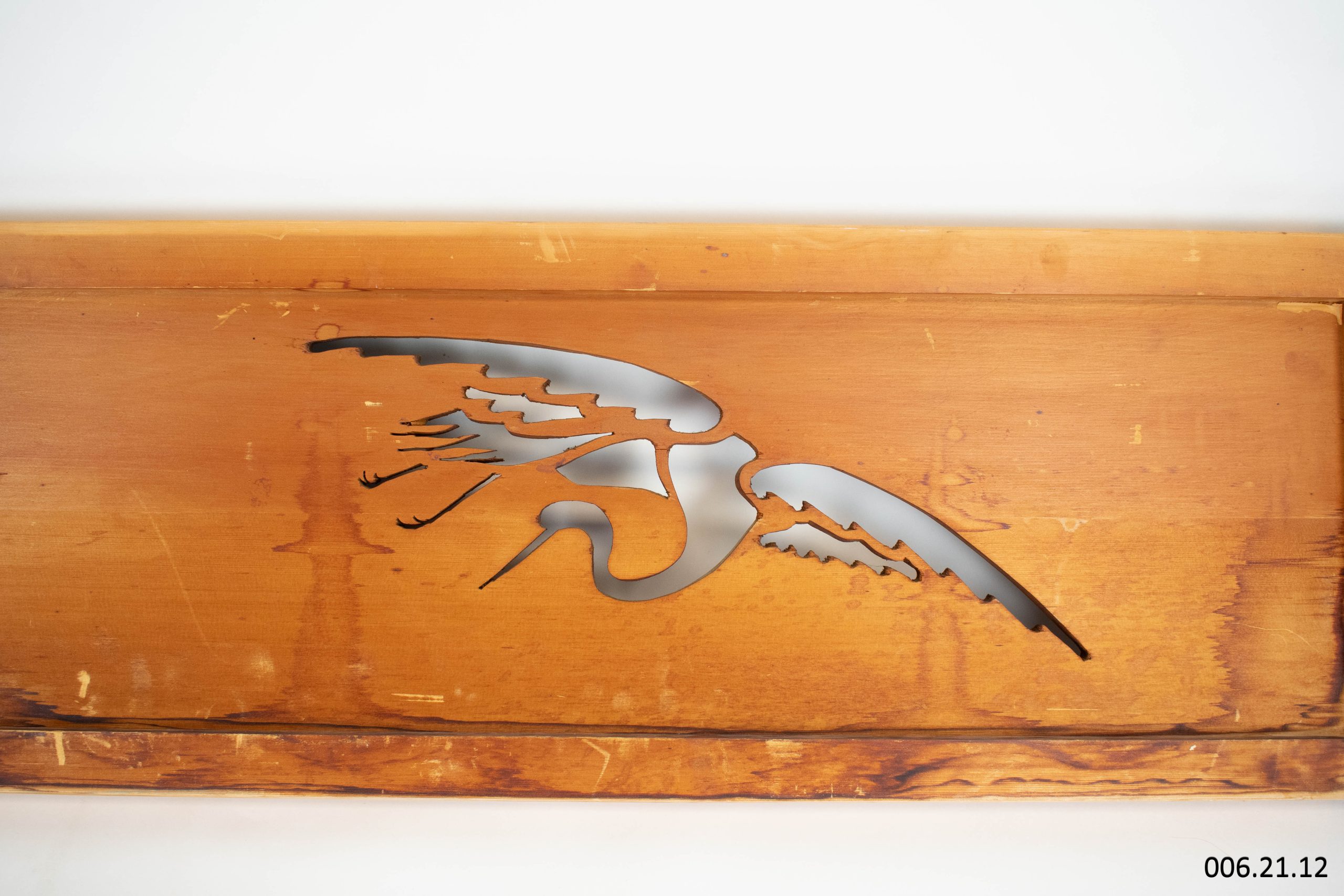
From the outside, the Hashimotos’ home looked like a typical Greater Vancouver suburban dwelling. However, there was a beautiful surprise inside. Masuo crafted the home’s interiors in a traditional Japanese style; the living spaces were full of warm-toned natural wood paneling, silk shoji screens, and meticulously hand-carved details. All around the house, there was a lavish garden, complete with a Japanese teahouse in the backyard.
The Hashimotos loved to host festivities and gatherings from their home. These included a haiku writing club, shigin poetry chanting, and a big traditional dinner with family and friends every New Year. For decades, the Hashimoto house was a landmark in Steveston’s Japanese Canadian community and a proud celebration of culture.
Preserving the Collection
In 1998, the Hashimotos retired and decided to sell their house. The building was unfortunately cleared and redeveloped before it could be marked as a heritage site. Luckily, the Hashimotos donated a significant number of household and architectural objects to the Richmond Museum before they moved. Most of these objects currently live in an offsite storage facility.
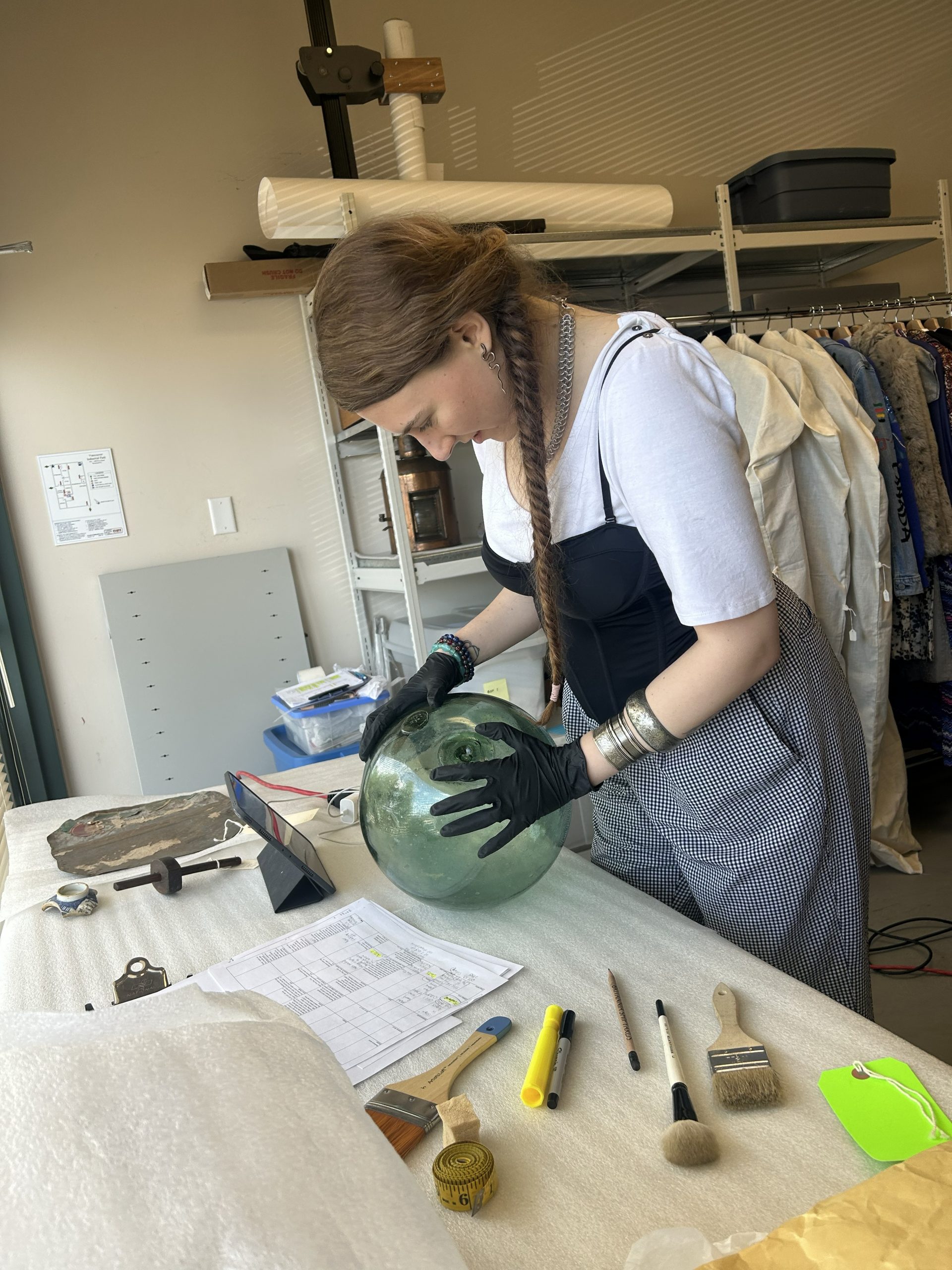
Over the summer, I’ve been taking care of the Hashimoto collection. I’ve cleaned the objects, organized the way they’re stored, and entered information and photos into the museums’ digital catalogue. I’ve also done a lot of research on Masuo and Shizue’s life together, gathering as much information as possible. Now that the Hashimoto collection is documented this way, future researchers can easily learn more about the home and its inhabitants.
See the Collection
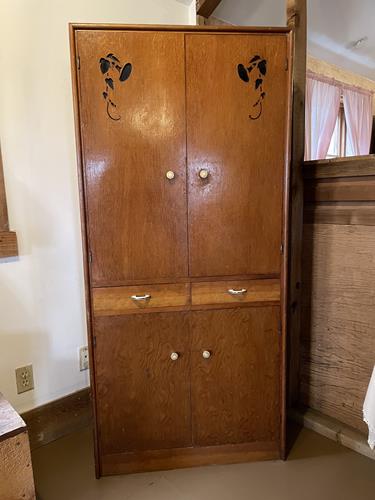
Some objects from the Hashimoto home are already on display at heritage sites around Steveston; in fact, you may have seen some before. The beautiful china cabinet in Murakami House at Britannia Shipyards National HIstoric Site is a Masuo Hashimoto original. He loved incorporating nature imagery into his carpentry, like the cabinet’s distinct carved flowers.
The garden next to Murakami House features transplants from the Hashimotos’ garden; they were moved here when the Hashimotos retired.
You may be familiar with the traditional Japanese room at the Steveston Museum. It features a wall of wood and fabric shoji doors; these come from the Hashimoto house.
In the future, more Hashimoto objects might go on exhibit around Richmond. Keep an eye out for future museum installations!